
Origins and growth
The network was founded in 2017 in the Nile River basin in response to the need for greater participation of women in decisions about the use and management of water resources. The initiative has since grown into a global network with regional branches:
- Central Asia and Afghanistan (established in 2021)
- North America (2023)
- South Caucasus (2024)
- Southern Africa (2024)
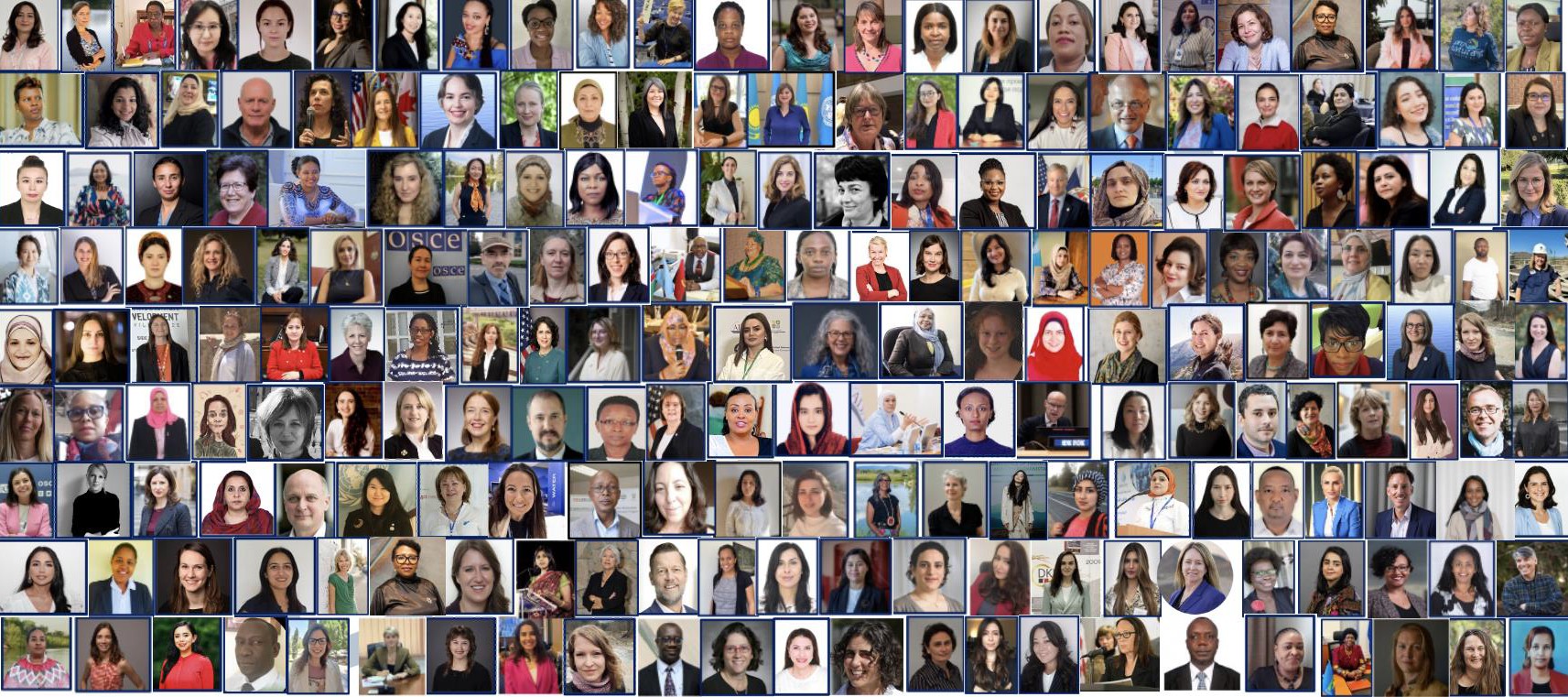
WWDN now includes members from Africa, Asia, Europe and the Americas, with approximately 250 members. Its main focus is on regions facing water scarcity and risks of conflict.
Mission and goals
The network’s mission is to advance gender equality in strategic decisions on the management of transboundary rivers. It develops women’s leadership and broadens their participation in regional dialogue. This approach helps create more inclusive water governance and strengthens peace, security and cooperation between regions.
Main areas of work
The network pursues its goals through:
- Regular regional and global meetings and exchanges of experience, in person and online;
- Participation in basin, regional and international events on water issues;
- Mentorship;
- Joint research, policy development and the promotion of water diplomacy initiatives.
The network also supports major international initiatives, including the UN Water Action Decade “Water for Sustainable Development”.
Partners
WWDN was initiated by the Stockholm International Water Institute (SIWI) and works with a broad group of partners, including:
- Environmental Law Institute (ELI);
- Organization for Security and Co-operation in Europe (OSCE);
- Regional Environmental Centre for Central Asia (CAREC);
- United Nations University Institute for Water, Environment and Health (UNU-INWEH);
- Bridging Waters Advisory.
Strategic framework
The network is guided by the global strategy “A Path Forward for Women, Water, Peace and Security” (2022).
Its strategic priorities for 2022–2025 support the network’s goals across all areas of work, with the backing of the Network Steering Committee:
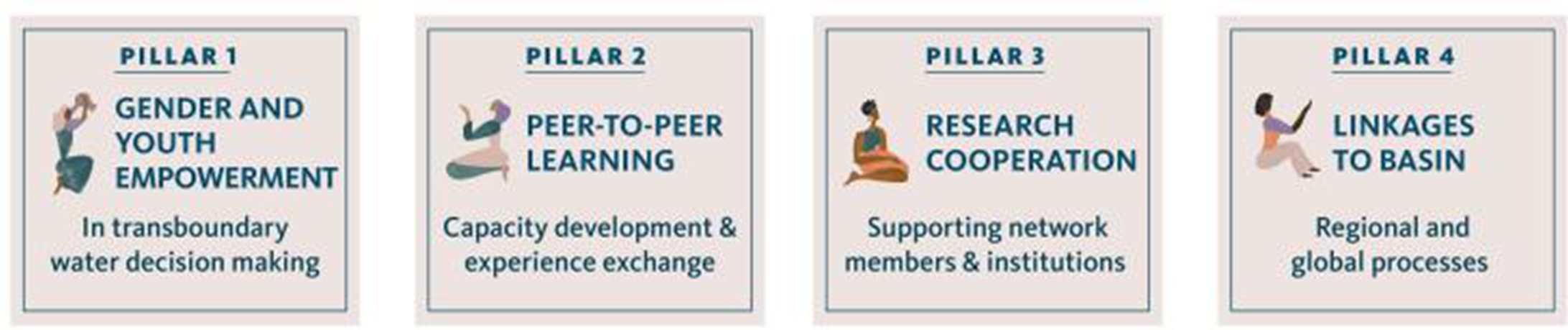
- Pillar 1: Strengthen the role of women and young people in decisions on transboundary water management;
- Pillar 2: Exchange experience, build capacity and support peer learning;
- Pillar 3: Conduct joint research;
- Pillar 4: Link members to basin, regional and global processes;
- Pillar 5: Support network operations.

Contact persons
Elizabeth A. Koch and Sogol Jafarzadeh
WWDN on LinkedIn ↗